
Key Takeaways
•The short answer: According to CDD, Cambridge's 2025 zoning changes placed many residential lots, including the former single- and two-family districts, in Residence C-1. That zoning allows a four-story multifamily building by right.
•The bonus: You can build up to six stories only if 20% of the housing is affordable and the lot is at least 5,000 square feet.
•The catch: Setbacks and open-space rules now decide what fits on your lot. Small lots may only fit a modest addition.
•The bottom line: Look up your parcel on the adopted map and measure your lot. Then check pending amendments before you design anything.
Is My Single-Family Lot Still Single-Family?
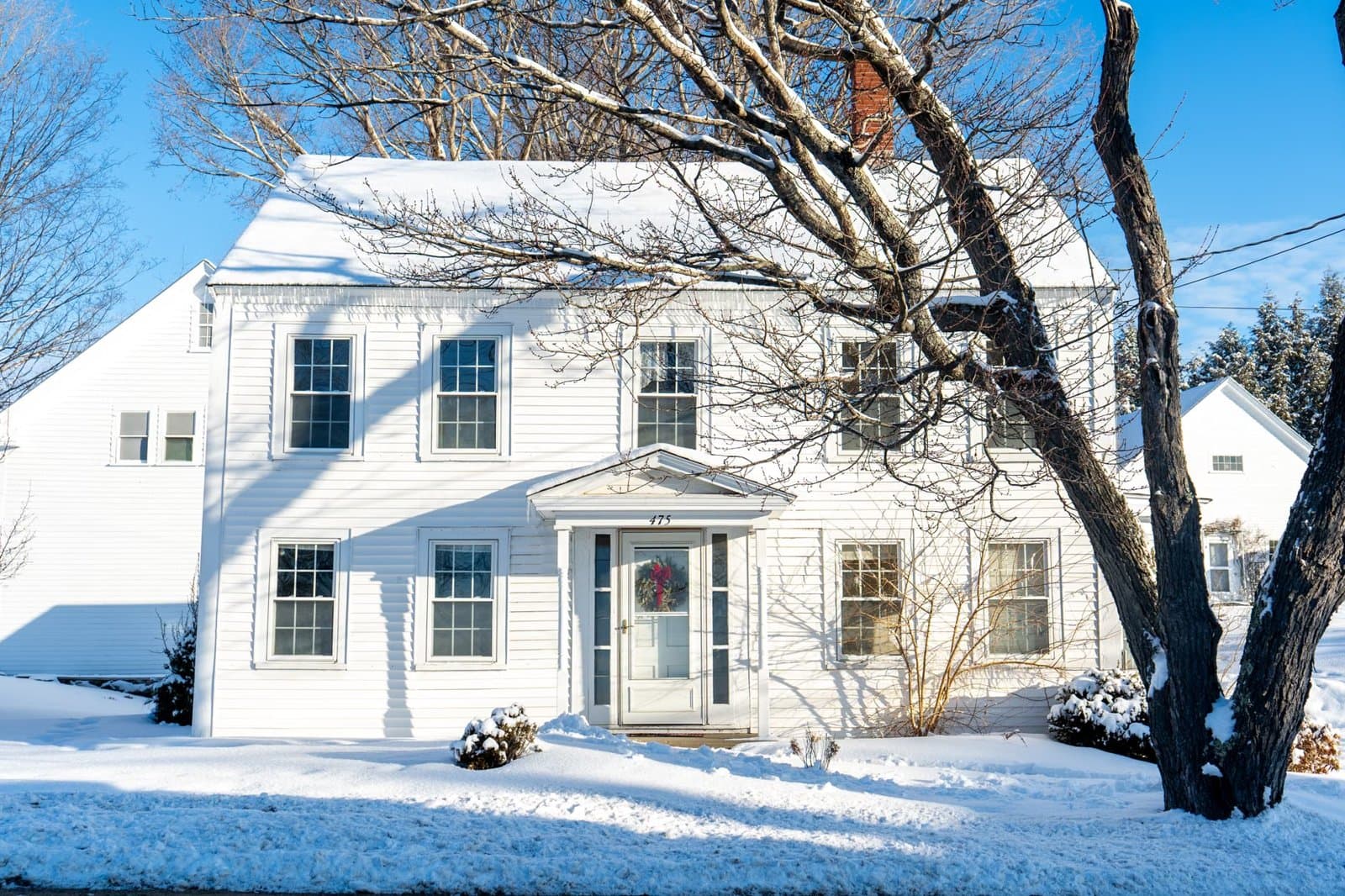
It may still look single-family. The zoning underneath it doesn't.
The Cambridge City Council voted on February 10, 2025, to adopt two petitions opening up multifamily housing across the city. According to CDD, many residential neighborhoods — including the former single- and two-family districts — now share one label: Residence C-1. Here's what that actually means:
•Four stories by right, no special permit or variance needed.
•No minimum lot size.
•No cap on units.
•No cap on floor area.
•No parking minimums (already citywide before this change).
Your real answer still hinges on where your parcel sits, how big it is, and whether a pending rule change is about to land on top of it.
Where Does the New Multifamily Zoning Apply?
Start with CDD's adopted zoning map, dated February 10, 2025.
The Harvard Crimson reported that Cambridge "used to restrict roughly a third of its residential land to single- or double-family homes." Getting extra units on those lots usually meant applying for a variance — a special exception to the rules.
Find your parcel on the map, then match it against the Zoning Ordinance text on Municode.
Watch the main corridors closely. Per CDD's April 22, 2026 memo, the Council carved out separate rules for Massachusetts Avenue and Cambridge Street, requiring "active" ground floors — think retail — on taller buildings. The threshold: more than 4 stories south of Porter Square, more than 8 stories elsewhere on Mass. Ave.
Massachusetts Avenue: Active-Use Trigger by Residential Height Area
On Massachusetts Avenue, active-use requirements are triggered above 4 stories south of Porter Square but above 8 stories elsewhere.
| Series | Label | Value |
|---|---|---|
| Residential height threshold | Mass. Ave. south of Porter Square | 4 stories |
| Residential height threshold | Mass. Ave. elsewhere | 8 stories |
If your lot fronts either street, check for an overlay too — an added layer of rules specific to that stretch.
What Can I Build on a C-1 Lot by Right?
The base limit on a C-1 lot is 45 feet and four stories, according to CDD. You can push that to 6 stories and 74 feet, but only if both conditions are met:
1. 20% of the housing is affordable, and
2. The lot is at least 5,000 square feet.
Cambridge Residence C-1: Standard vs. Conditional Height Limits
In Cambridge Residence C-1 districts, projects can move from 4 stories and 45 feet to 6 stories and 74 feet only when they include 20% inclusionary housing and sit on a lot of at least 5,000 square feet.
Standard Residence C-1
Stories allowed4 stories
Height limit45 feet
With inclusionary housing and lot size conditions
Stories allowed6 stories
Height limit74 feet
Required inclusionary housing share20%
Minimum lot size for 6 stories5,000 square feet
Source:Lock
For most homeowners, four stories is the practical ceiling.
A few process details still matter:
•Buildings of four or more stories trigger a required neighbor meeting.
•CDD published design guidelines in June 2025 and updated them December 2025.
•Per CDD's 2026 Planning Board report, inclusionary rules kick in at 10 units or 10,000 square feet of residential floor area — below that, units can sell or rent at market price.
"Inclusionary" means some units must be set aside as affordable.
For a typical owner, the realistic options narrow to a triple-decker, a fourplex, an addition, or an ADU (accessory dwelling unit — a small second home on the same lot).
What Should I Check Before Counting New Units?
By right doesn't mean easy to build.
Setbacks — the required gaps between your building and the lot lines — combine with open-space rules to set your real buildable footprint. With floor-area and unit caps gone, these physical limits now do most of the heavy lifting. Confirm the exact numbers in the Zoning Ordinance section for Residence C-1, and measure before you plan anything. On a small or oddly shaped lot, a modest addition or an ADU may be your best option.
Then watch pending amendments. The Harvard Crimson reports that Councillors Flaherty and Zusy, along with resident Doug Brown, have proposed changes that could tighten setbacks, height limits, or parking. Under Massachusetts law, an amendment can apply to unpermitted projects starting the day its public hearing is advertised. Ask a zoning lawyer or CDD what stage your project needs to reach to stay clear of a pending change, and confirm petition status with the City Clerk.
Some argue the map isn't the real constraint — financing is. Cambridge's City Manager has pointed to interest rates and labor costs slowing large projects. A one-year review presented to the City Council found zero large projects permitted in 2025, versus 50 smaller developments permitted that year, up from 43 in 2024. Small, owner-scale projects kept moving while big ones stalled. That's exactly why the map still matters to homeowners — it determines whether your addition, ADU, or extra units are allowed at all.
What Is the Bottom Line for Cambridge Owners?
C-1 hands many owners real room to add housing, but the label is only step one. Lot size, setbacks, open space, corridor rules, and permit timing decide the actual answer.
Before paying for drawings, confirm three things:
1. Your parcel is in C-1, not a corridor district or overlay.
2. Your footprint still works after setbacks and open-space requirements.
3. Your timing accounts for pending amendments.
Call CDD at 344 Broadway (617-349-4600) to confirm current rules, then talk to a local zoning lawyer before committing.
Want to know what your lot can support? Send us the parcel address — we'll walk through the map, the setback math, and your options together.